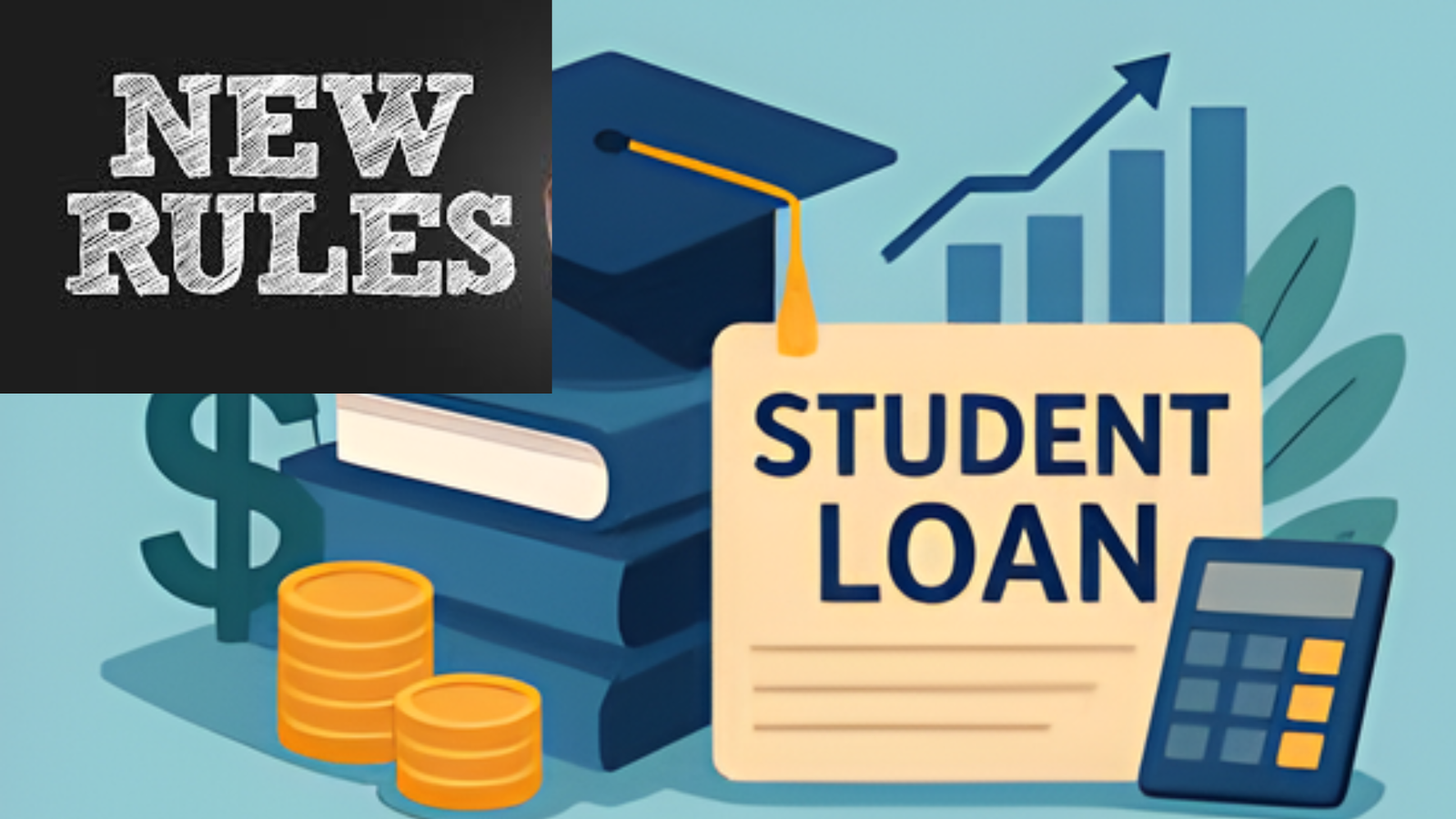
New Federal Student Loan Rules 2026
Meta Description: Major changes are coming to US student loans in July 2026. Learn about the new Repayment Assistance Plan (RAP), loan caps, and how the “One Big Beautiful Bill Act” affects your debt.
The landscape of higher education funding in the United States is about to undergo a massive transformation. With the implementation of the One Big Beautiful Bill Act, the summer of 2026 will mark the end of many traditional repayment plans and the birth of new federal strategies. If you are a current borrower or planning to start college soon, understanding these April 2026 updates is critical for your financial future.
The End of the SAVE Plan and the Rise of RAP
One of the most searched terms in April 2026 is the Repayment Assistance Plan (RAP). This plan is set to replace several existing income-driven repayment (IDR) options.
Key Features of the RAP Plan:
- Income-Based Payments: Monthly payments will be capped at 1% to 10% of your adjusted gross income.
- Low-Income Protection: If your annual income is less than $10,000, your monthly payment could be as low as $10.
- Forgiveness Timeline: Any remaining balance after 30 years of consistent payments will be forgiven.
Critical Deadlines for Borrowers

The transition period has already begun. Here are the dates every student needs to watch:
- April 2026: Loan servicers have started notifying borrowers about the transition away from the SAVE plan.
- July 1, 2026: The official cutoff date. Any new loans taken after this date will automatically fall under the new RAP or Standard Repayment Plan.
New Loan Limits and Parent PLUS Changes

Under the new 2026 reforms, the government is placing stricter caps on how much can be borrowed to prevent long-term debt traps:
- Graduate PLUS Loans: These are being eliminated for new borrowers starting July 1, 2026.
- Annual Loan Caps: A new cap of $20,500 per year for most graduate degrees and $50,000 for professional degrees has been proposed.
- Parent PLUS Updates: Parents will now see a hard cap of $20,000 per dependent per year.
How the 2026 Changes Affect Current Borrowers

If you already have loans, you might be wondering if you are forced to switch.
- Grandfather Clause: If you do not take out any new loans after July 1, 2026, you can stay on your current repayment plan (like IBR or PAYE) until those plans expire in 2028.
- The “One New Loan” Rule: Be careful—if you take out even one new federal loan after the July deadline, all your existing federal loans may be consolidated into the new 2026 rules.
Summary: How to Prepare in April 2026
- Review Your Current Plan: Log into your student aid dashboard to see which plan you are currently on.
- Consolidate Early: If you want to keep older benefits, consider consolidating before the July 1st deadline.